
Chapter Five: The Empty Driveway
We returned home late Sunday night, exhausted, sunburned, and happy. The house was cold and quiet, smelling faintly of stale air and pine needles from our small, unlit Christmas tree.
As Mark carried the sleeping kids up to their beds, I stood in the kitchen, sorting through the mail that had piled up on the counter. Mixed among the bills and junk flyers was a thick, cream-colored envelope. I recognized my father’s blocky, aggressive handwriting immediately.
I stared at it for a long moment before sliding my finger under the flap.
Inside was a single check, made out to me, for one thousand dollars. Attached to it was a small, yellow sticky note.
“For the kids’ Christmas. Sorry for the misunderstanding. —Dad”
I looked at the check. A week ago, this would have felt like a massive victory. It would have felt like an apology, an acknowledgment of my pain. I would have cashed it, bought the kids the gifts they had asked for, and pretended the whole ugly incident had never happened. I would have gone back to being the easy, patient daughter.
But standing in my kitchen now, looking at the zeros written in blue ink, I felt nothing but a profound, hollow sadness.
He still didn’t get it. They thought the issue was the money. They thought they could simply buy their way out of the emotional damage they had caused, applying a financial bandage to a structural crack in our family’s foundation.
I walked over to the kitchen drawer, pulled out a pen, and flipped the check over. I didn’t endorse it. I simply wrote VOID in large, dark letters across the back.
I slipped it back into the envelope, added a stamp, and dropped it into the outgoing mail pile by the front door. I didn’t write a note. The silence, I decided, would speak louder than any words I could offer.
The holidays came and went. We didn’t attend the annual extended family dinner at my parents’ house. I told Mom we were starting a new tradition this year—just our immediate family. She didn’t argue. I suspect she was relieved not to have to navigate the awkward tension my presence would undoubtedly bring.
I saw the photos they posted online, of course. Sarah’s kids looking thrilled, the table laden with food, my parents smiling tightly for the camera. But for the first time in my life, looking at those photos didn’t incite a familiar pang of jealousy or a desperate need to be included. I looked at them like an outsider observing a play I was no longer cast in.
In January, Sarah finally called me.
It was a Tuesday afternoon, exactly one month since the Disneyland trip. I hesitated before answering, expecting an ambush, but her voice was surprisingly soft, almost hesitant.
“Hey, Jilly,” she said, using the childhood nickname I hadn’t heard in years.
“Hi, Sarah.”
“I… I wanted to call and talk about Christmas,” she started, her breathing slightly erratic. “Mom told me what happened. With Dad’s text, and… and what you said to Maya.”
I braced myself. “And?”
“And I’m sorry,” she whispered.
I stopped wiping the kitchen counter. “You’re sorry?”
“I didn’t know Dad told you they couldn’t afford gifts for your kids,” she explained, her voice cracking. “I swear to you, Jillian, I didn’t know. When they bought the iPads and the watches, Mom told me they had received a bonus from Dad’s pension. They said they wanted to spoil the kids because Greg’s hours got cut. I never, ever would have let them do that if I knew they were telling you they were broke.”
I closed my eyes, a surprising wave of relief washing over me. The anger I had harbored toward my sister began to immediately dissolve. It wasn’t Sarah’s fault. It had never been her fault. She was just playing the role she had been assigned, just like I was.
“I believe you, Sarah,” I said quietly.
“I confronted Mom about it,” she continued, sounding fierce. “I told her it was completely messed up. I told her that she can’t use my financial issues as an excuse to treat your kids like second-class citizens. It’s not fair to them, and it’s not fair to put me in the middle of it.”
Tears pricked the corners of my eyes. In thirty years, it was the first time my sister had ever actively stood up to our parents on my behalf.
“Thank you,” I whispered.
“We’re sisters, Jilly,” she said firmly. “I might be the favorite, but I’m not blind.”
We talked for an hour. We didn’t solve everything, but we built a bridge over the wreckage our parents had created. We agreed that moving forward, we would communicate directly with each other regarding holidays and gifts, completely cutting our parents out as the unreliable middlemen.
As for my parents, our relationship has settled into a cool, polite distance. We still talk occasionally. We will likely still see them for major milestones. But the dynamic has fundamentally shifted. I am no longer the quiet, accommodating daughter waiting for scraps of affection. I no longer perform sacrifice to earn their approval.
They know it, and I know it.
Sometimes, the most empowering thing you can do is not to fight for a seat at a table where you are not valued, but to stand up, push your chair in, and walk away to build your own table.
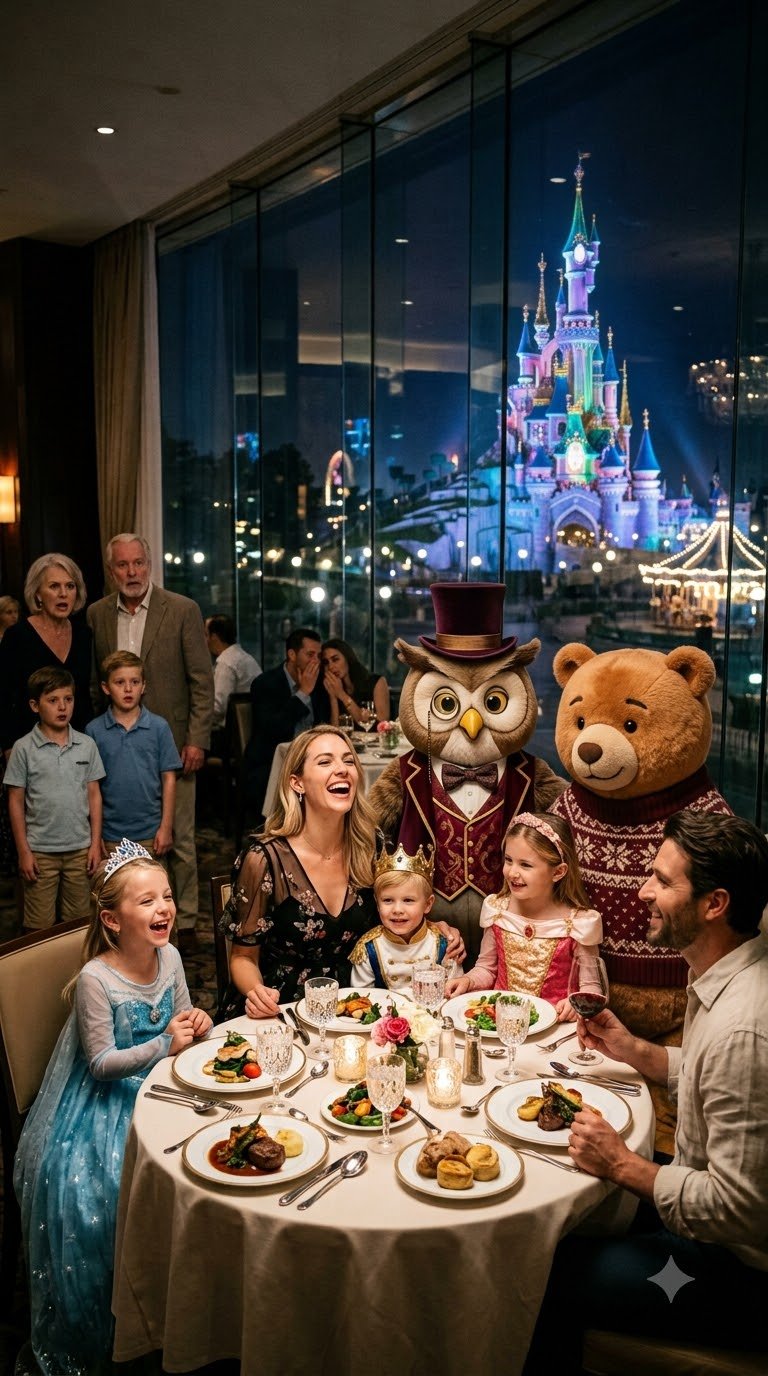
My kids don’t remember the Christmas they didn’t get presents from their grandparents. They remember the churros. They remember the matching pajamas. They remember the magic we created for them, on our own terms.
And that is a legacy I am proud to leave them.
If this story resonated with you, if you have ever felt like the outsider in your own family, know that you have the power to rewrite your own traditions. Don’t forget to hit subscribe, because I have so many more stories of reclaiming peace waiting just for you.