
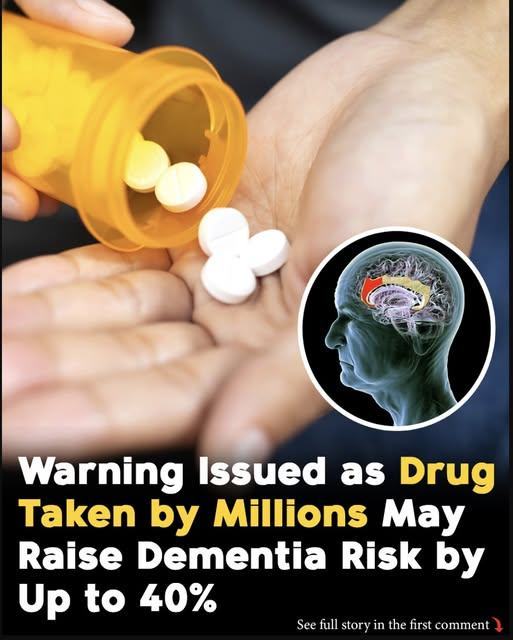

Common Back-Pain Drug May Be Linked to Higher Dementia Risk, Study Finds
A widely used medication for chronic back pain, Gabapentin, may be associated with a higher risk of cognitive decline, according to a large new study.
Researchers from Case Western Reserve University analyzed medical records from more than 26,000 adults with persistent lower back pain across 68 U.S. health systems. The findings, published in Regional Anesthesia & Pain Medicine, suggest that long-term use of the drug may be linked to an increased likelihood of developing Dementia or Mild Cognitive Impairment.
People who received six or more prescriptions of gabapentin were about 29% more likely to be diagnosed with dementia within ten years and 85% more likely to develop mild cognitive impairment compared with similar patients who did not take the drug.
Surprisingly, the increased risk appeared strongest among middle-aged adults (35–49), who were more than twice as likely to develop dementia and over three times more likely to experience mild cognitive impairment.
Researchers also found a dose-response pattern: patients with 12 or more prescriptions had about a 40% higher dementia risk and 65% higher risk of mild cognitive impairment.
However, the scientists emphasized that the study does not prove that gabapentin causes dementia. Because the research was observational, other factors could influence the results. Still, the large dataset suggests the link deserves further investigation.
Gabapentin was originally developed to treat epilepsy but is now commonly prescribed for nerve pain, restless legs syndrome, and chronic back pain. Its use increased as doctors searched for alternatives to opioid painkillers.
Experts say patients should not stop taking the medication suddenly, but those using it long term may want to discuss the findings with their doctors, monitor cognitive health, and review possible treatment alternatives.
Bottom line: Gabapentin remains an effective treatment for many people, but this research suggests that long-term use may warrant closer medical monitoring, especially for adults in their 30s to 50s.